
Facebook
Instagram
Youtube
Whatsapp
  • Help Desk
  • Home
  • About
    • Overview
    • Chairman
    • Director
    • Principal
    • Management
    • Vision & Mission
  • Academics
    • Achievements
    • Curriculum & Syllabus
    • Courses Offered
  • Departments
    • B.E. Aeronautical Engineering
    • B.E. Civil Engineering
    • B.E. Computer Science & Engineering
    • B.E Computer Science & Engineering ( Cyber Security )
    • B.E. Electrical and Electronics Engineering
    • B.E. Electronics & Communication Engineering
    • B.E. Mechanical Engineering
    • B.Tech. Information Technology
    • B.Tech. Artificial Intelligence and Data Science
  • Facilities
    • Infrastructure
    • Labs
    • Sports
    • Library
    • Transportation
  • Admission
    • Admission Procedures
    • Online Application
  • Accreditation
    • Anna University
    • AICTE
  • Placements
    • Overview
    • Placement Reports
      • Placement Details [2025-26]
      • Placement Report [2024-25]
      • Placement Report [2023-24]
      • Placement Report [2022-23]
    • Placement Feedback
  • Mandatory Notices
    • Prevention of Ragging
    • Grievance Redressal Committee
    • Vishaka Committee
    • Internal Quality Assurance Cell
    • Agneepath
    • Feedback System
  • Activities
    • Events
    • Extra Curricular
    • Career Development Cell
  • Alumni
  • Gallery
  • Contact
Counselling Code - 1222
Online Application Form

B.E. Aeronautical Engineering

  • Home
  • B.E. Aeronautical Engineering

About the Department

We invite you to explore the sky, challenge the limits of technology, and become a part of our mission to drive the future of aviation and aerospace. Together, we can achieve great heights.The Aeronautical Engineering Department was established in 2007. Currently, the department offers a Bachelor of Engineering degree program that is affiliated with Anna University. This program is accredited by AICTE and encompasses subjects such as Aerodynamics, Aerospace Propulsion, Aerospace Structures, Aircraft Design, Aircraft Maintenance, Air Transportation, Avionics, and Project Work. Over time, the department has organized various workshops, seminars, guest lectures, and symposiums.

The Department of Aeronautical Engineering at P.B. College Of Engineering is a center of academic excellence, focused on delivering cutting-edge education, research, and innovation in the field of aeronautical and aerospace engineering. With a legacy of academic distinction and an unwavering commitment to preparing students for the challenges of tomorrow, our department offers a comprehensive learning experience that blends theoretical knowledge with practical applications.

Aeronautical engineering is an exciting and constantly evolving discipline that forms the backbone of the aerospace industry. Our department provides students with the tools they need to become experts in the design, development, and testing of aircraft and spacecraft. We aim to nurture the next generation of engineers who will push the boundaries of flight and explore new horizons in aviation and aerospace technology.

Our curriculum is designed to equip students with an in-depth understanding of aerodynamics, propulsion, avionics, materials science, flight mechanics, and more. With state-of-the- art laboratories, simulation tools, and access to industry-leading resources, we offer an education that prepares students to solve real-world challenges and innovate in a global context.

Join Us on an Exciting Journey

At the Department of Aeronautical Engineering, we believe in the power of innovation to shape the future. Whether you’re interested in designing the next-generation aircraft, advancing space exploration, or contributing to sustainability in the aerospace industry, our department provides the tools, knowledge, and support to help you achieve your goals.

Vision

Our vision is to be recognized as one of the leading departments in aeronautical engineering, both nationally and internationally, by providing high-quality education and producing innovative research that contributes to the evolution of aerospace technology. We aim to be at the forefront of developing sustainable and cutting-edge solutions that address the current and future needs of the aerospace sector.

We envision a future where our graduates are trailblazers in aviation and aerospace, playing a pivotal role in designing next-generation aircraft, improving air transportation systems, advancing satellite technologies, and exploring new realms in space exploration. By integrating sustainability into our teaching and research, we strive to shape a future where aeronautical engineering contributes to a safer, greener, and more efficient global aviation industry.

Our department’s vision is also to create a dynamic ecosystem where industry partnerships, government collaborations, and academic excellence intersect. We aspire to provide a platform for students to gain real-world experience through internships, research projects, and industry-led seminars that will prepare them to excel in a competitive global workforce.

Mission

Our mission is to educate and inspire the future leaders of the aeronautical and aerospace industries. We strive to provide our students with a strong foundation in the fundamental principles of aeronautical engineering while offering them the opportunity to explore specialized areas through research and development. By fostering a culture of innovation, teamwork, and critical thinking, we aim to produce graduates who are not only proficient in their technical skills but also well-rounded professionals capable of contributing to the advancement of aviation and space exploration.

We are committed to offering a student-centered learning environment that promotes intellectual growth, problem-solving skills, and creativity. Our faculty, comprising experienced professionals and renowned researchers, works closely with students to provide mentorship and guidance throughout their academic journey. We encourage our students to engage in hands-on projects, internships, and collaborations with industry leaders to gain practical experience and become part of the vibrant aerospace ecosystem.

Program Educational Objectives (PEO) & Program Specific Outcomes (PSO)

PEO:

The graduates will

  • Apply knowledge in emerging and varied areas of Aerospace Engineering for higher studies, research, employment and product development.
  • Communicate their skills and have a sense of responsibility to protect the environment and have ethical conduct towards their profession and commitment to serve the society.
  • Exhibit managerial skills and leadership qualities while understanding the need for lifelong learning to be competent professionals

PSO:

  • To train students in flight simulation and flight training thereby enabling students to have exclusive skills in Aeronautical Engineering.
  • To give exposure to students on industrial practices like CFD, FEM and Aircraft Maintenance.

PROGRAMME OUTCOMES (PO)

Engineering graduates will be able to:

  • Engineering Knowledge: Apply the knowledge of mathematics, science, engineering fundamentals, and an engineering specialization to the solution of complex engineering problems.
  • Problem Analysis: Identify, formulate, review research literature, and analyze complex engineering problems reaching substantiated conclusions using first principles of mathematics, natural sciences, and engineering sciences.
  • Design / Development of Solutions: Design solutions for complex engineering problems and design system components or processes that meet the specified needs with appropriate consideration for the public health and safety, and the cultural, societal, and environmental considerations.
  • Conduct Investigations of Complex Problems: Use research based knowledge and research methods including design of experiments, analysis and interpretation of data, and synthesis of the information to provide valid conclusions.
  • Modern Tool Usage: Create, select, and apply appropriate techniques, resources, and modern engineering and IT tools including prediction and modeling to complex engineering activities with an understanding of the limitations.
  • The Engineer and Society: Apply reasoning informed by the contextual knowledge to assess societal, health, safety, legal and cultural issues and the consequent responsibilities relevant to the professional engineering practice.
  • Environment and Sustainability: Understand the impact of the professional engineering solutions in societal and environmental contexts, and demonstrate the knowledge of, and need for sustainable development.
  • Ethics: Apply ethical principles and commit to professional ethics and responsibilities and norms of the engineering practice.
  • Individual and Team Work: Function effectively as an individual, and as a member or leader in diverse teams, and in multidisciplinary settings.
  • Communication: Communicate effectively on complex engineering activities with the engineering community and with society at large, such as, being able to comprehend and write effective reports and design documentation, make effective presentations, and give and receive clear instructions.
  • Project Management and Finance: Demonstrate knowledge and understanding of the engineering and management principles and apply these to one’s own work, as a member and leader in a team, to manage projects and in multidisciplinary environments.
  • Lifelong Learning: Recognize the need for, and have the preparation and ability to engage in independent and lifelong learning in the broadest context of technological change.

STAFF ACHIEVEMENTS

Faculty Development Program

At P.B. College of Engineering, our faculty members are the driving force behind our commitment to academic excellence and innovation. With a perfect blend of scholarly knowledge and industry experience, they are dedicated to delivering high-quality education and guiding students toward successful engineering careers.

Our highly qualified professors and researchers bring diverse expertise across multiple disciplines, ensuring a rich and updated curriculum that aligns with current technological trends. Many are involved in active research, publishing in reputed journals, and engaging in consultancy projects, keeping the learning environment dynamic and future-focused.

Beyond academics, our faculty are passionate mentors who support students in developing critical thinking, practical skills, and a spirit of innovation. Their dedication helps nurture well-rounded engineers prepared to meet the demands of the global industry with confidence and competence.

Board of Studies

A panel of faculty members and external experts who help in revising and improving the curriculum to meet industry needs and academic developments.

Curriculum Details

The curriculum covers core areas such as Aerodynamics, Aircraft Structures, Propulsion, Flight Mechanics, and Aircraft Systems. It includes labs and mini-projects to support practical learning.

Course Materials

Lecture notes, lab manuals, and previous year question banks are shared regularly with students to support academic preparation and exam readiness.

Value Added Courses

The department offers additional short-term training to enhance student skills, such as:

  • Basics of CAD software
  • Drone and UAV introduction
  • Basics of wind tunnel testing
  • Aerospace materials and safety

Innovative Teaching

We use models, charts, simulations, video lectures, and project-based learning to make the teaching more effective and engaging.

Laboratory Details

Our department includes the following labs:
  • Aerodynamics Lab with wind tunnel demo setup
  • Aircraft Structures Lab
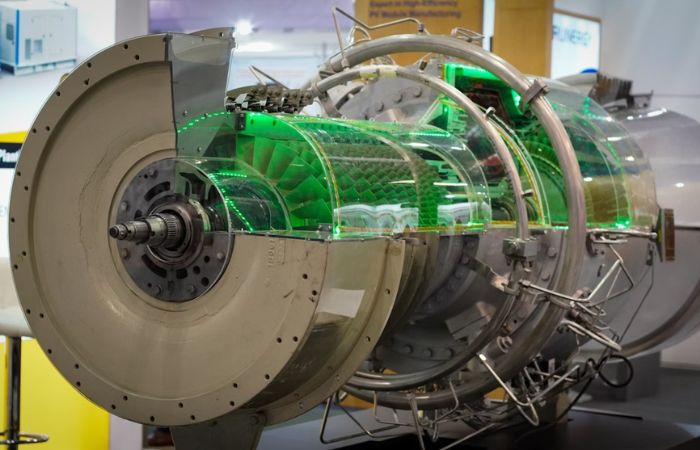
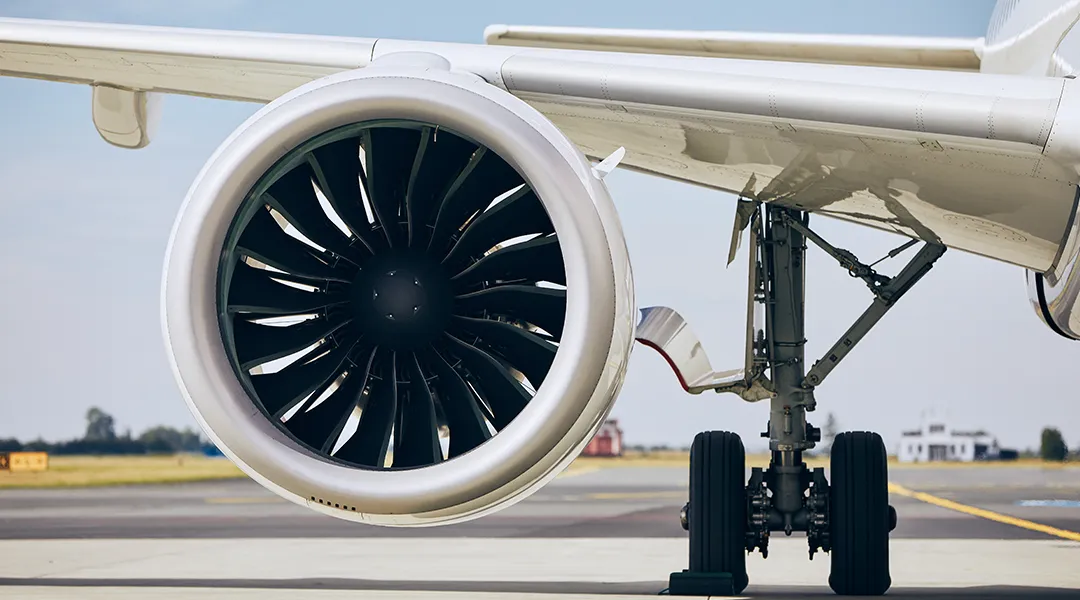
  • Propulsion Lab with engine components
  • CAD & Simulation Lab with software like CATIA and ANSYS (basic level)
  • UAV/Model Workshop for mini drone projects

Aeronautical Department Events

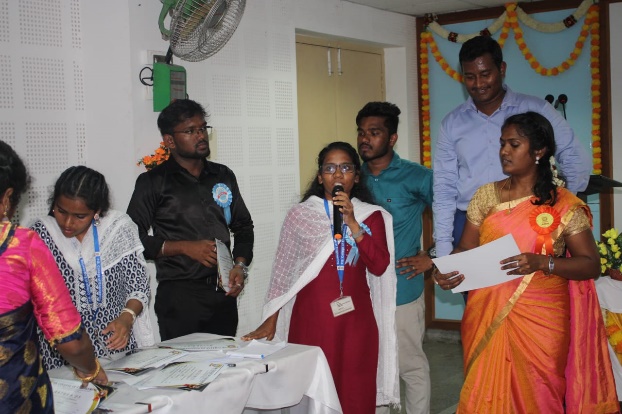
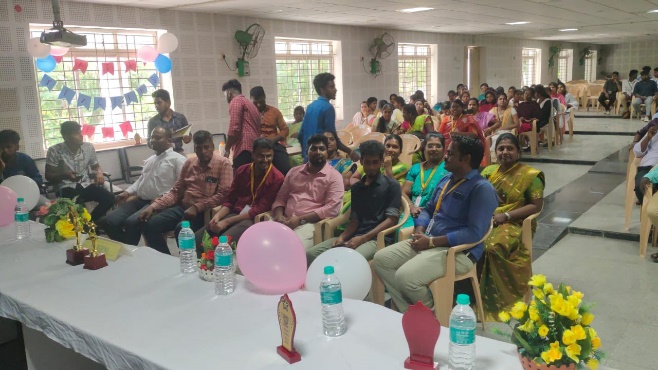
  • Conducted Workshop on “Recent Advancements in Drone Technologies” in January 2025.
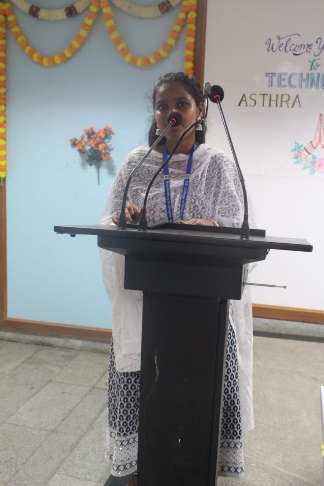
  • Conducted Technical Symosium “ASTHRA” in March 2023.
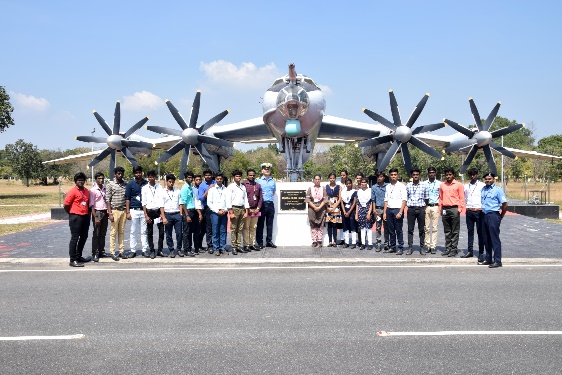
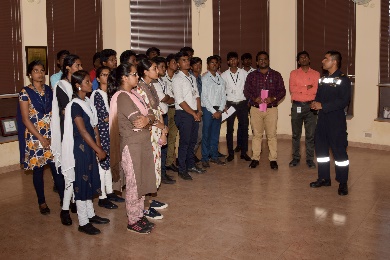
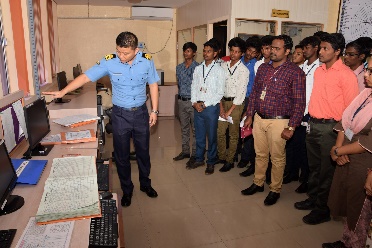
  • Frequent Industrial visits to Naval Airbase “INS RAJALI”, “GARUDA AEROSPACE” and “TAMBARAM AIRFORCE STATION”.
pic
pic
pic
pic
pic
pic

National Aerospace Competitions

  • Teams from our department have secured top ranks in prestigious events like SAE Aero Design, DRDO's UAV Challenge, and IIT Techfests, showcasing their design and fabrication skills.

Internships at Premier Institutions

  • Many students have completed internships at esteemed organizations such as ISRO, HAL, NAL, and DRDO, gaining hands-on experience in aerospace systems and R&D.

Research Publications

  • Undergraduate students have co-authored papers in reputed national and international journals and conferences on topics like UAV design, CFD analysis, and propulsion systems.

Innovative Projects

  • Final-year students have developed prototypes such as hybrid propulsion systems, subsonic wind tunnel models, and autonomous drones for agricultural and surveillance applications.

GATE and Higher Studies

  • A growing number of graduates from the department successfully qualify for GATE, securing admissions into top institutions like IITs and IISc for higher studies.

Hackathons and Tech Events

  • Our students regularly participate and win in interdisciplinary competitions, including aerospace-themed hackathons and innovation challenges.

International Exposure

  • Select students have attended international workshops, training programs, and collaborative research projects through academic exchange programs.

Students Projects

  • Mini fixed-wing drone models
  • Aircraft wing design using solidworks
  • Rocketry basics and water rocket launching
  • Wind tunnel airflow studies
  • Simple aircraft landing gear models

Newsletter & Magazine

An annual department newsletter highlights:

  • Student and faculty achievements
  • Department activities
  • Project snapshots and innovations
  • Articles and ideas from students

Industry Interaction

We collaborate with nearby industries and technical training centers to provide:

  • Industrial visits
  • Guest talks
  • Basic-level internship support
  • Awareness on aerospace opportunities

Professional Society

The department hosts student chapters of:

  • ISTE (Indian Society for Technical Education)
  • Institution of Engineers (India) – Student Chapter
    These groups organize workshops, webinars, and technical events.

About Us

P.B. College of Engineering is one of the leading institutions imparting technical education in Chennai. Our college, a Padmavathy Balaji Educational Trust initiative, was founded in 2002. We have grown from strength to strength by assiduously following its vision and mission values. We are one of the youngest institutions in the country to be accredited by the National Board of Accreditation, New Delhi.

Quick Links

  • About
  • Achievements
  • Sports
  • Transport
  • Placements

QR Code

Contact Us

  • Chennai -Bangalore highway,
    Irungattukottai, Sriperumbudur Taluk,
    Kancheepuram-602117
  • +91-9940026861, 9600113031
  • admissions@pbce.co.in

© P.B.College of Engineering. All Right Reserved. Designed by